Financial
Manage future cost exposure and secure scarce high-quality supply
For many sectors, the marginal cost of eliminating the last tonnes of CO₂ becomes extremely high. Aviation, heavy industry, agriculture, and long-distance transport face technical and economic limits that make full decarbonization prohibitively expensive. Because these residual emissions will require CDR to reach net zero, organizations that engage early in the CDR credit market can better anticipate and manage long-term cost exposure—both by securing future supply and by reducing exposure to potential price spikes as demand increases. While some organizations may also pursue insetting or direct project development, this Guide focuses specifically on the considerations involved in purchasing CDR credits.
At the same time, the global CDR market is expected to expand rapidly. Multiple analyses (e.g., McKinsey, WEF, BCG) project that durable carbon removal could grow into a trillion-dollar industry by mid-century as demand increases and supply scales. Early buyers may therefore benefit from greater price certainty and access to high-integrity credits as the market matures.
Support innovation and benefit from cost reductions
Purchasing CDR today helps scale emerging technologies such as Direct Air Capture (DAC), enhanced weathering, biochar, and mineralization. These early commitments play a meaningful role in accelerating innovation and driving learning-curve cost declines — similar to early-stage investments in solar, wind, and batteries. By supporting the market as it grows from megatonnes to gigatonnes, early buyers help reduce future cost trajectories while positioning themselves at the forefront of climate technology adoption.
Case Study: Klarna Climate Transformation Fund: "Klarna is a founding partner of the Climate Transformation Fund, the 'beyond-offsetting' charitable fund curated by Milkywire that selects and supports a wide range of projects addressing the climate crisis within the durable carbon removal, nature restoration & protection, and decarbonization sectors." Over five years, Klarna has committed $8.5 million through its Climate Transformation Fund, supporting over 67 climate initiatives across 29 countries, including a growing number of early-stage carbon removal projects. In 2025, Klarna supported several projects spanning novel removal pathways such as CO₂ capture from seawater, carbon storage from organic waste, and community-based biochar. By providing early-stage capital to pre-commercial projects, Klarna helps enable experimentation, MRV development, and learning-curve cost reductions—illustrating how early buyers can support innovation while helping build the scalable CDR supply needed over time.
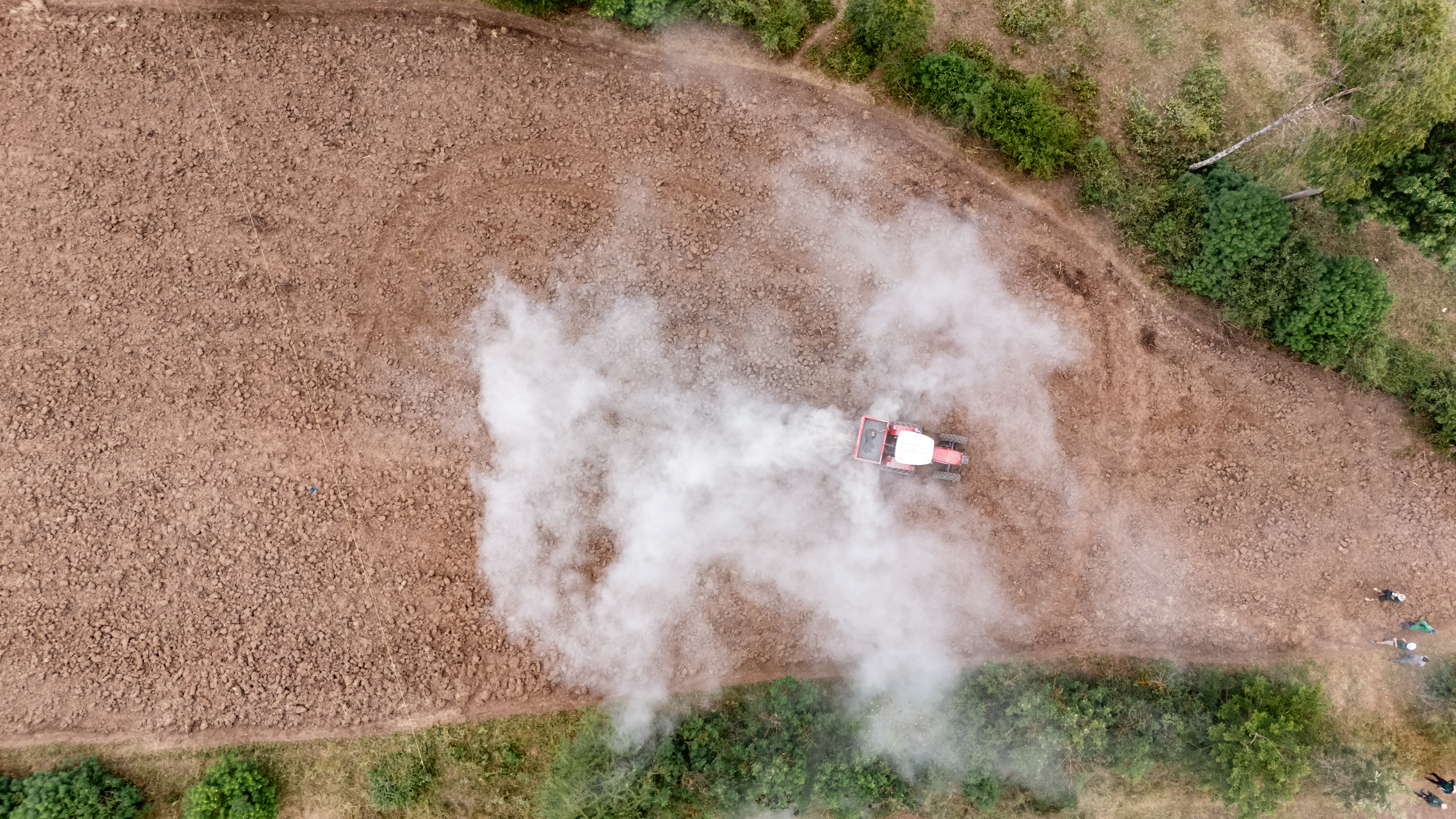
[Image source: Klarna]